
Legacy System Modernization
Transform legacy applications into modern, cloud-native systems. Reduce maintenance costs, improve security, and unlock innovation - without business disruption.
Is Your Legacy System Holding You Back?
Warning signs that it's time to modernize
High Maintenance Costs
Spending $100K+/year maintaining old code. Hard to find developers who know COBOL, VB6, or legacy Java.
Security Vulnerabilities
Old frameworks with unpatched security holes. Failed compliance audits (PCI, HIPAA, SOC 2). No modern encryption.
Cannot Scale
System crashes under load. Cannot handle mobile traffic or API integrations. Monolithic architecture impossible to scale.
Slow Development
New features take months instead of weeks. Every change breaks something else. No automated testing or CI/CD.
Data Silos
Data locked in old databases. Cannot integrate with modern tools (Salesforce, analytics, APIs). Manual data exports.
Technical Debt
Code written 10-20+ years ago with no documentation. Original developers long gone. Band-aid fixes everywhere.
Modernization Strategies
We choose the right approach based on your business needs, budget, and risk tolerance
1. Replatform (Lift & Shift)
Move existing application to modern infrastructure (AWS, Azure, GCP) with minimal code changes. Quick migration with lowest risk.
2. Refactor (Optimize)
Rewrite portions of the codebase to use modern frameworks and cloud services while keeping core logic. Balance of speed and improvement.
3. Rebuild (Greenfield)
Build new application from scratch using modern tech stack, replicating business logic. Maximum benefits but higher risk and cost.
Our Recommendation: Hybrid Approach
Start with Replatform for quick cloud benefits and cost savings. Then Refactor critical modules incrementally (Strangler Fig pattern). This minimizes risk while delivering continuous value. Final Rebuild only if absolutely necessary.
Systems We Modernize
From mainframes to monoliths - we've migrated them all
COBOL & Mainframe
IBM z/OS, CICS, DB2, AS/400
Legacy Windows Apps
VB6, Delphi, Foxpro, PowerBuilder
Old PHP/Java/.NET
PHP 5, Java 6/7, .NET 2.0
Outdated Databases
Access, FoxPro, dBase, Oracle 9i







Modern Technology Stack
What we migrate your legacy systems to
Modernization Process
Zero-downtime migration with continuous business operations
Discovery & Assessment
2-4 weeks
Audit existing system architecture, codebase, dependencies, and data models. Document business logic, integration points, and user workflows. Evaluate modernization approaches (replatform, refactor, rebuild) and create ROI analysis.
Strategy & Roadmap
2-3 weeks
Choose modernization strategy (hybrid recommended). Design new architecture (microservices, cloud-native, APIs). Create phased migration plan with milestones. Define success metrics and rollback procedures.
Pilot Migration
4-8 weeks
Select low-risk module for pilot migration. Build proof-of-concept in new technology stack. Test data migration, integration points, and performance. Validate approach before full-scale migration.
Incremental Migration
3-12 months
Migrate system module-by-module (Strangler Fig pattern). Run old and new systems in parallel. Gradual traffic cutover with A/B testing. Continuous validation and rollback capability.
Testing & Validation
2-4 weeks
Comprehensive testing: functional, performance, security, integration. User acceptance testing (UAT) with stakeholders. Load testing to ensure new system can handle production traffic. Data integrity validation.
Cutover & Support
1-2 months
Final production cutover during low-traffic window. 24/7 monitoring for first 30 days. Hypercare support for critical issues. Post-migration optimization and legacy system decommissioning.
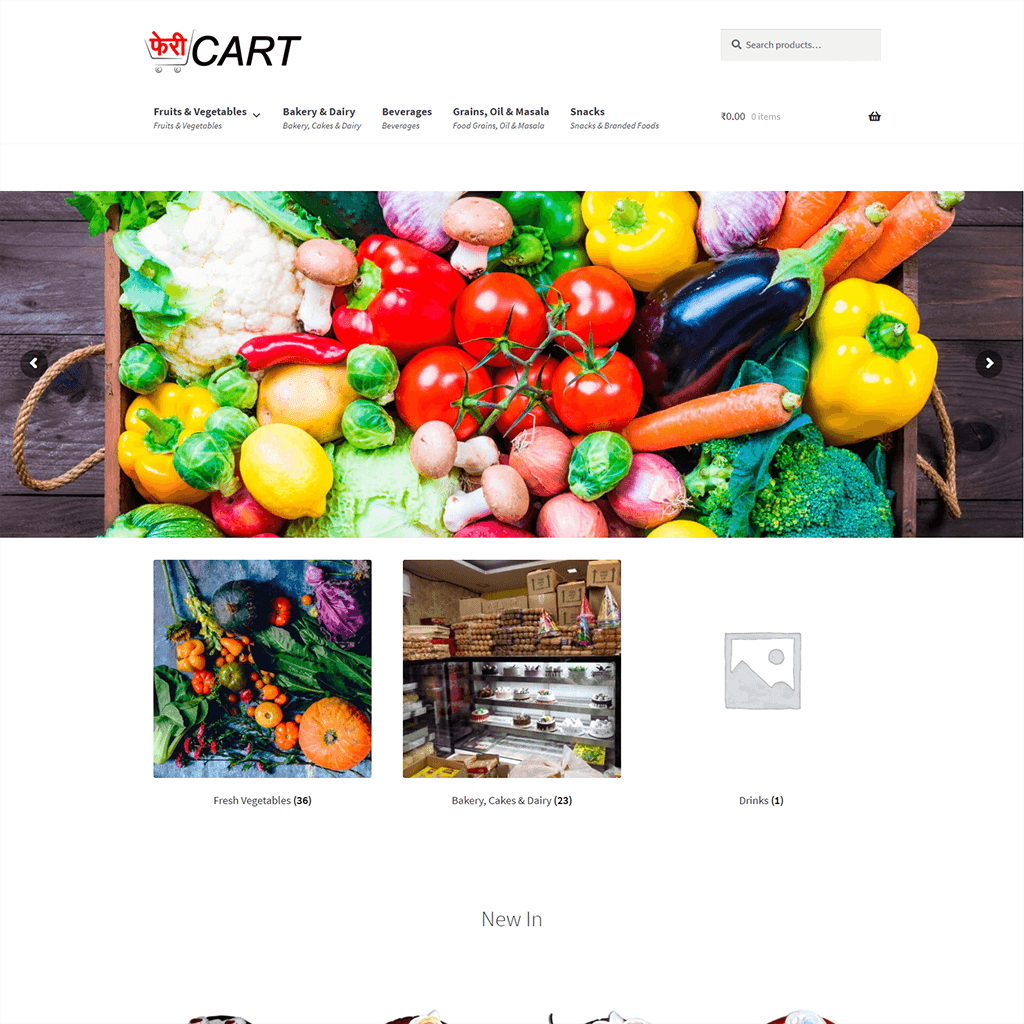
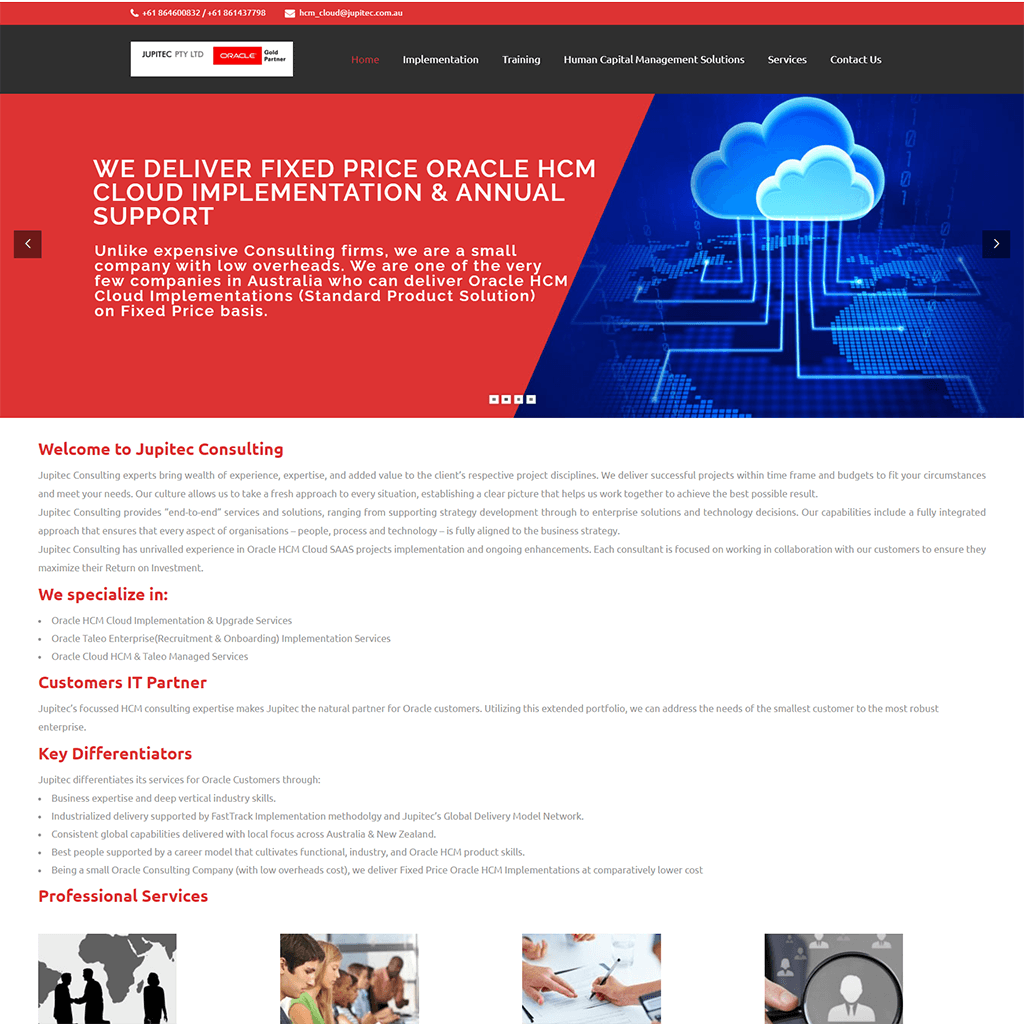
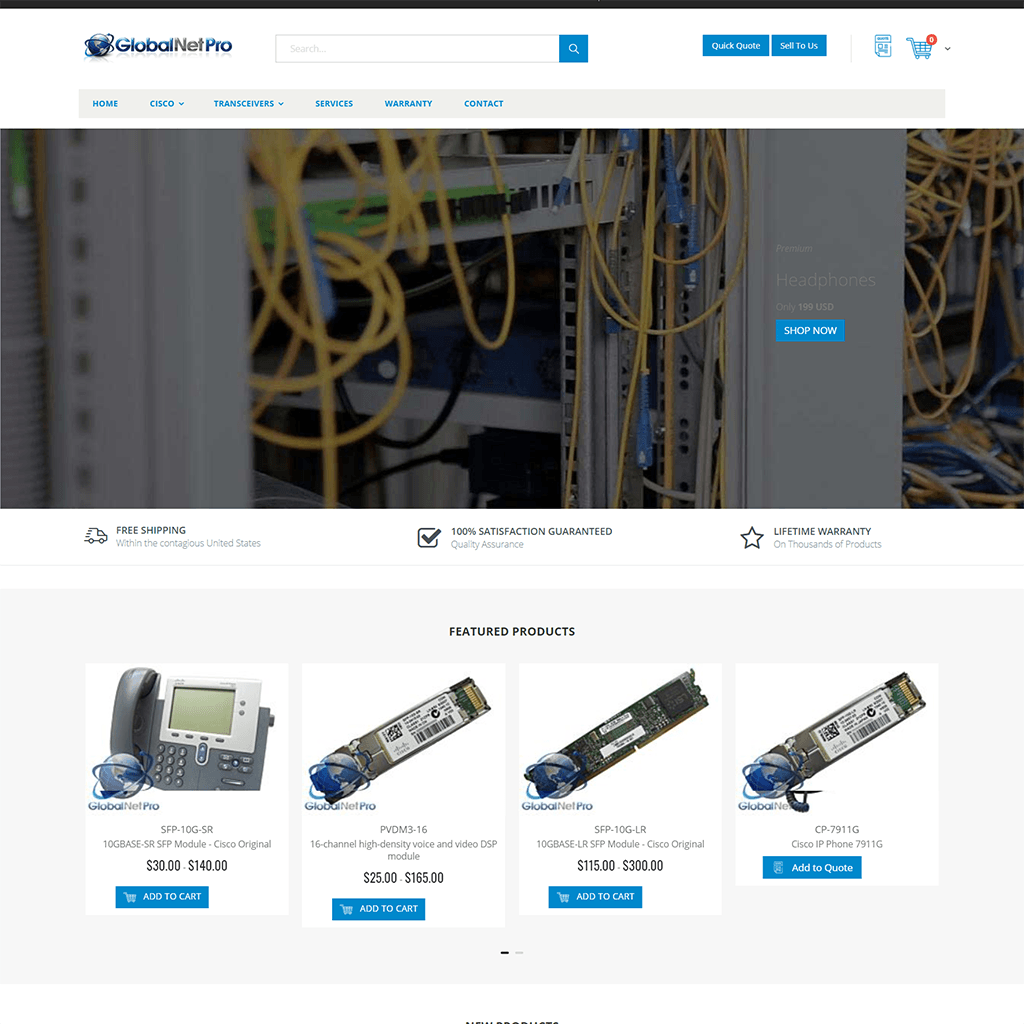
Modernization Success Stories
Legacy systems we've transformed for enterprise clients








What Our Modernization Clients Say
Real results from businesses that modernized their legacy systems
"Srapsware is best for server less and modern web application technologies. I suggest you try there services once. "
Frequently Asked Questions
How much does legacy modernization cost?
How long does modernization take?
What happens to our data during migration?
Will modernization disrupt our business?
Can you migrate COBOL/mainframe applications?
What ongoing support do you provide?
Ready to Modernize Your Legacy Systems?
Stop wasting money on maintenance and missing opportunities for innovation. Transform your legacy applications into modern, cloud-native systems that drive business growth.