

Container Orchestration Solutions
Containerize applications and orchestrate them at scale with Docker and Kubernetes. Deploy anywhere, scale infinitely, reduce resource usage by 90%.
Docker Containers
Containerize Everything with Docker
Docker containers package your application with all dependencies into a single, portable unit. Your app runs identically on dev laptops, staging servers, and production cloud - eliminating "works on my machine" forever.
We optimize Dockerfiles for minimal image size, implement multi-stage builds, set up private registries (Docker Hub, AWS ECR, GCR), and create efficient CI/CD pipelines that build, scan, and deploy containers automatically.
Orchestrate at Scale with Kubernetes
Kubernetes (K8s) manages thousands of containers across multiple servers, handling deployment, scaling, health checks, and self-healing automatically. It's the de facto standard for container orchestration.
We design production-grade K8s clusters on AWS EKS, Google GKE, Azure AKS, or on-premise. You get automated scaling, zero-downtime deployments, service discovery, load balancing, and secrets management out of the box.
K8s Cluster
Container & Orchestration Capabilities
End-to-end container solutions from Docker optimization to production Kubernetes clusters
Docker Containerization & Optimization
Containerize legacy and modern applications with optimized Dockerfiles, multi-stage builds for minimal image sizes, vulnerability scanning, and private registry setup (Docker Hub, AWS ECR, Google Artifact Registry).
Kubernetes Cluster Management
Production-grade K8s clusters on AWS EKS, GKE, AKS, or on-premise with high availability, auto-scaling, monitoring, logging, and disaster recovery. Managed or self-hosted options available.
Helm Charts & Packaging
Reusable Kubernetes packages with versioning and templating
Security & Secrets Management
Kubernetes Secrets, HashiCorp Vault, encrypted volumes
Auto-Scaling & Load Balancing
Horizontal Pod Autoscaling (HPA) based on CPU/memory/custom metrics, Vertical Pod Autoscaling (VPA), Cluster Autoscaler for node scaling, and Ingress controllers (NGINX, Traefik, Istio) for intelligent traffic routing.
Monitoring & Observability
Prometheus, Grafana, ELK stack, distributed tracing with Jaeger
CI/CD Integration
Automated builds, tests, and K8s deployments with GitOps (ArgoCD/Flux)
Service Mesh (Istio/Linkerd)
Advanced traffic management, security, and observability


Container & Orchestration Stack
Technologies we use to build, deploy, and manage containerized applications


Why Kubernetes for Production?
The benefits that make Kubernetes the industry standard for container orchestration
Self-Healing
Kubernetes automatically restarts failed containers, replaces unhealthy pods, and reschedules workloads on healthy nodes without manual intervention.
Auto-Scaling
Scale pods and nodes automatically based on CPU, memory, or custom metrics. Handle traffic spikes without over-provisioning infrastructure.
Zero-Downtime Deploys
Rolling updates, blue-green deployments, and canary releases ensure new versions deploy without service interruption or user impact.
Cloud Portability
Run the same workloads on any cloud (AWS, GCP, Azure) or on-premise. Avoid vendor lock-in and move between providers seamlessly.
Container Implementation Journey
From dockerizing your first app to running production-grade Kubernetes clusters
Application Assessment & Containerization
1-2 weeks
Analyze your applications, identify containerization candidates, and create optimized Dockerfiles with multi-stage builds for minimal image sizes.
Docker Registry & CI/CD Setup
1-2 weeks
Set up private container registry (ECR, GCR, ACR), implement automated builds, vulnerability scanning, and image signing for security.
Kubernetes Cluster Provisioning
2-3 weeks
Deploy production-grade K8s cluster on managed service (EKS, GKE, AKS) or on-premise with high availability, monitoring, and security hardening.
Application Deployment & Configuration
2-4 weeks
Create Kubernetes manifests or Helm charts, configure deployments, services, ingress, ConfigMaps, and Secrets for all applications.
Monitoring & Observability Setup
1-2 weeks
Deploy Prometheus, Grafana, ELK stack for logs, distributed tracing with Jaeger, and alerting for proactive issue detection.
Production Launch & Optimization
Ongoing
Migrate traffic to Kubernetes, monitor performance, optimize resource usage, tune auto-scaling policies, and provide ongoing support.
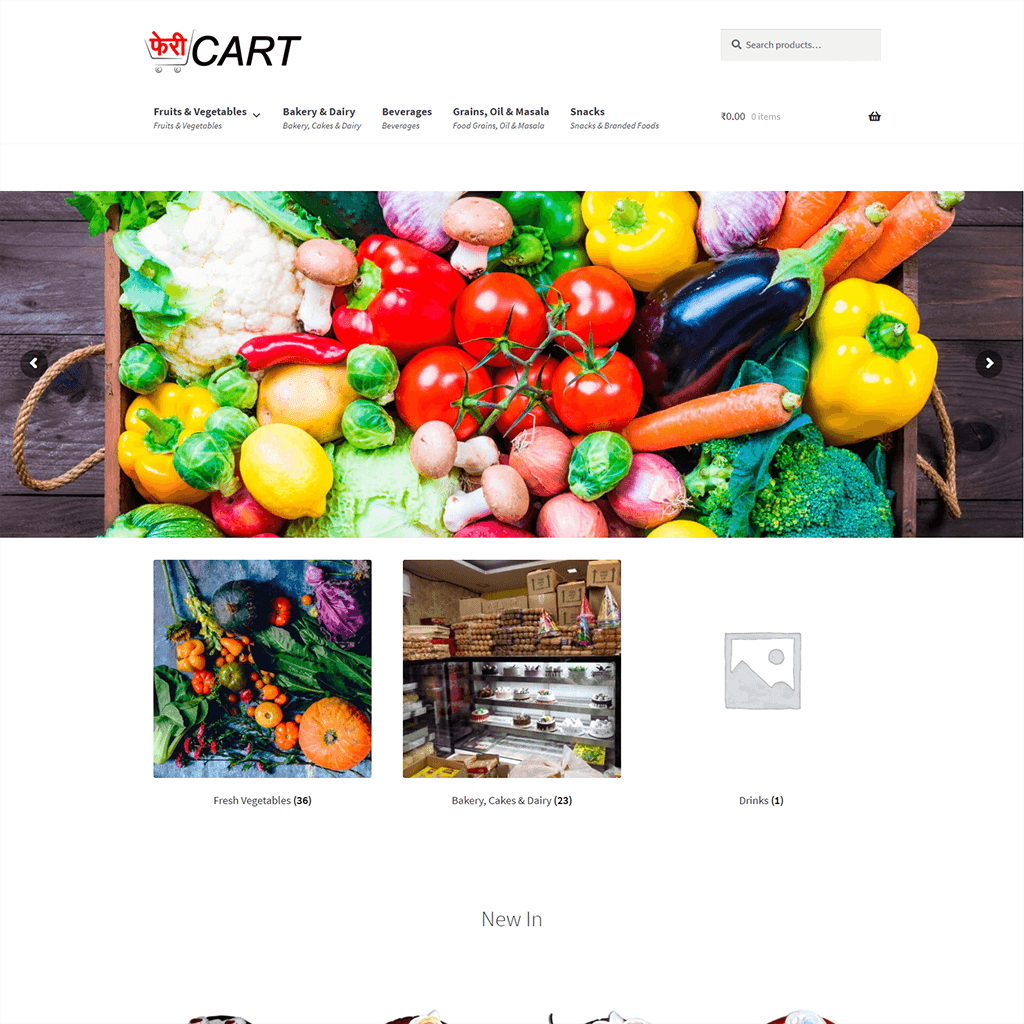
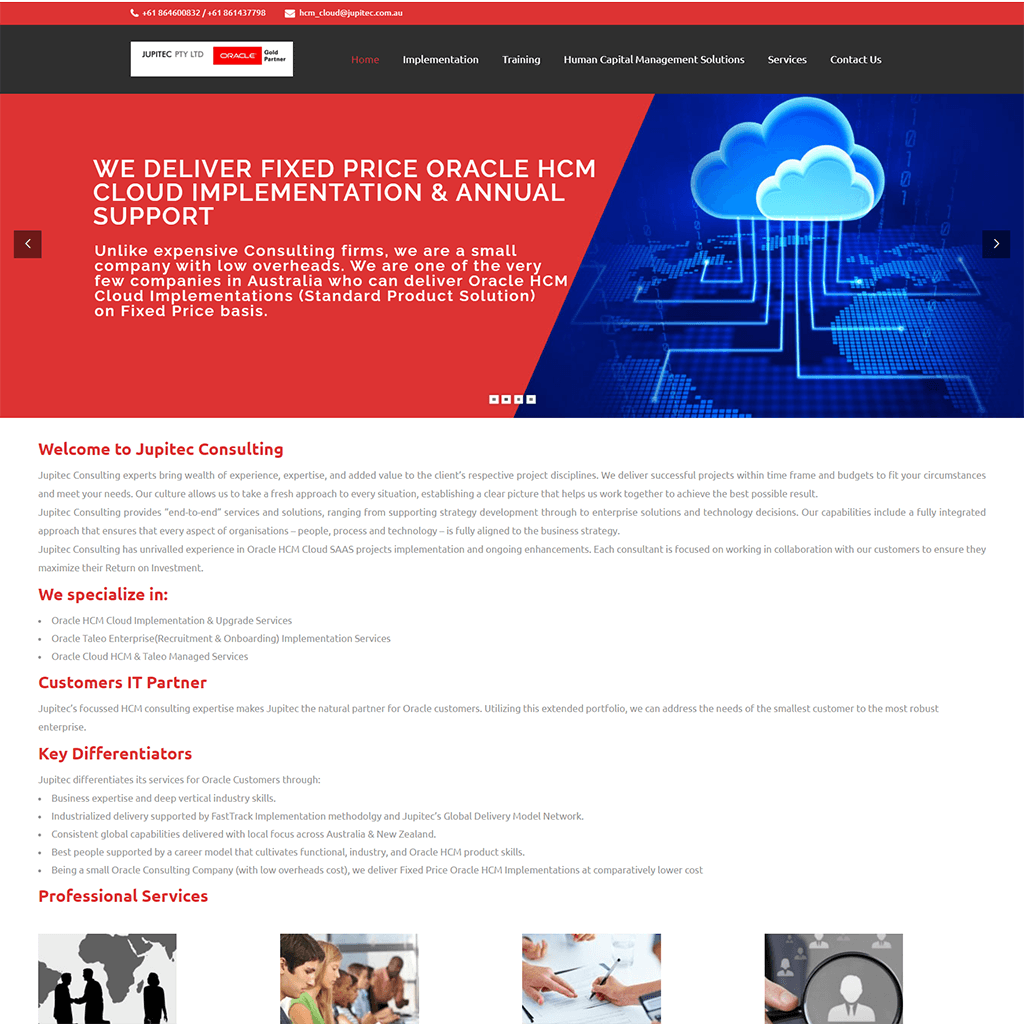
Container Projects We've Deployed
See how we've containerized and orchestrated applications for scale and reliability








What Our Container Clients Say
Real results from companies that scaled with Docker and Kubernetes
"Srapsware is best for server less and modern web application technologies. I suggest you try there services once. "
Frequently Asked Questions
What is the difference between Docker and Kubernetes?
Do I need Kubernetes, or is Docker enough?
How much does Kubernetes cost?
Can you containerize our existing applications?
What is Helm and why do we need it?
How long does Kubernetes setup take?
Ready to Containerize and Orchestrate?
Let's package your applications in Docker containers and manage them at scale with Kubernetes. Deploy faster, scale easier, and run anywhere.