

System Integration Services
Connect all your business systems for seamless data flow. Break down silos, automate workflows, and unify your enterprise applications.
Integration Solutions We Build
From simple point-to-point connections to complex enterprise integration platforms
ERP Integration
Connect SAP, Oracle, NetSuite, Microsoft Dynamics with your web apps, e-commerce, CRM, and other systems. Real-time inventory, orders, customers sync.
CRM Integration
Integrate Salesforce, HubSpot, Zoho CRM with your website, marketing tools, support systems. Sync leads, contacts, deals, activities automatically.
E-commerce Integration
Connect Shopify, WooCommerce, Magento with ERP, CRM, shipping, accounting. Sync products, inventory, orders, customers in real-time.
Payment Gateway Integration
Integrate Stripe, PayPal, Authorize.net, Square with your app. Subscription billing, invoicing, recurring payments, refunds automation.
Legacy System Integration
Connect old mainframe, AS/400, COBOL systems with modern apps. Extract data, expose legacy functionality via APIs, maintain backward compatibility.
Third-Party API Integration
Connect 1000+ third-party services: Google Maps, Twilio SMS, SendGrid email, Slack, social media, analytics, marketing automation tools.
Integration Approaches
We use the right integration method for your specific requirements
Real-Time API Integration
Best for: Live data synchronization, instant updates, user-facing features.
Direct API calls with REST, GraphQL, or gRPC. Webhooks for event notifications. WebSockets for real-time bidirectional communication. Sub-second latency for critical operations.
Batch Integration
Best for: Large data volumes, scheduled syncs, non-critical updates.
Scheduled jobs (hourly, daily, weekly). Bulk data transfer via CSV, XML, or JSON files. ETL processes for data warehousing. Overnight synchronization for reports and analytics.
Database Integration
Method: Direct database access, SQL queries, database triggers, replication
Middleware/ESB
Method: Enterprise Service Bus, message queues (RabbitMQ, Kafka), API gateway
iPaaS Integration
Tools: Zapier, Make.com, Mulesoft, Dell Boomi for no-code/low-code integrations





Integration Technology Stack
Enterprise-grade tools for robust system integration


Integration Process
Systematic approach to connecting your systems in 6-12 weeks
Discovery & Analysis
1-2 weeks
Audit existing systems and data models. Identify integration points and data flows. Map business processes and workflows. Define data transformation rules. Assess technical constraints and security requirements.
Integration Design
1 week
Choose integration pattern (real-time API, batch, hybrid). Design data mapping and transformation logic. Define error handling and retry mechanisms. Plan authentication and authorization. Create integration architecture diagram.
Development & Configuration
3-6 weeks
Build API connectors and middleware. Implement data transformation logic. Set up message queues or ESB if needed. Configure authentication (OAuth, API keys). Add logging and monitoring hooks.
Testing & Validation
1-2 weeks
Test data mapping and transformations. Validate business rules and workflows. Load testing for performance at scale. Error scenario testing (network failures, timeouts). Security and penetration testing.
Deployment & Migration
1 week
Phased rollout with pilot group. Historical data migration if needed. Parallel run to validate accuracy. Cutover to production with rollback plan. User training and documentation.
Monitoring & Support
Ongoing
Real-time integration monitoring dashboard. Automated alerts for failures or delays. Performance metrics and SLA tracking. Ongoing maintenance and updates. 24/7 support for critical integrations.
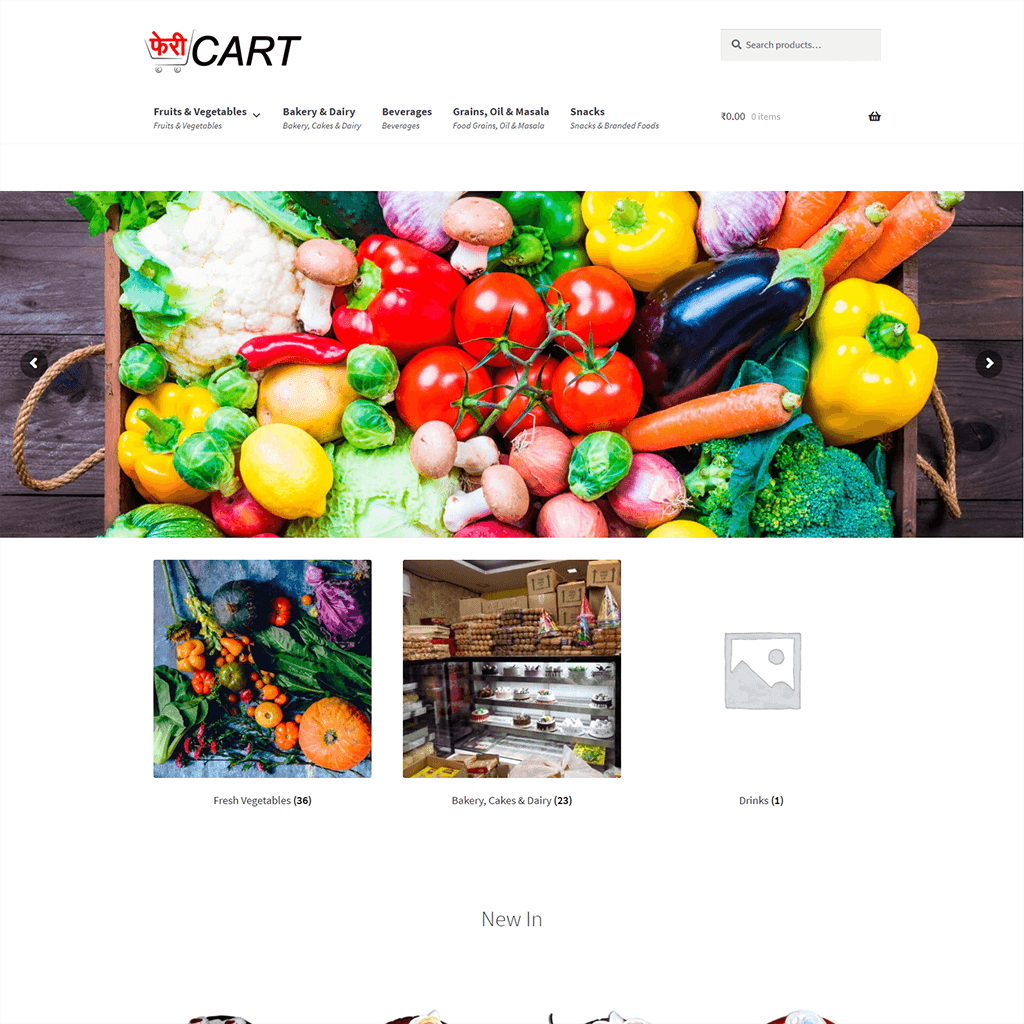
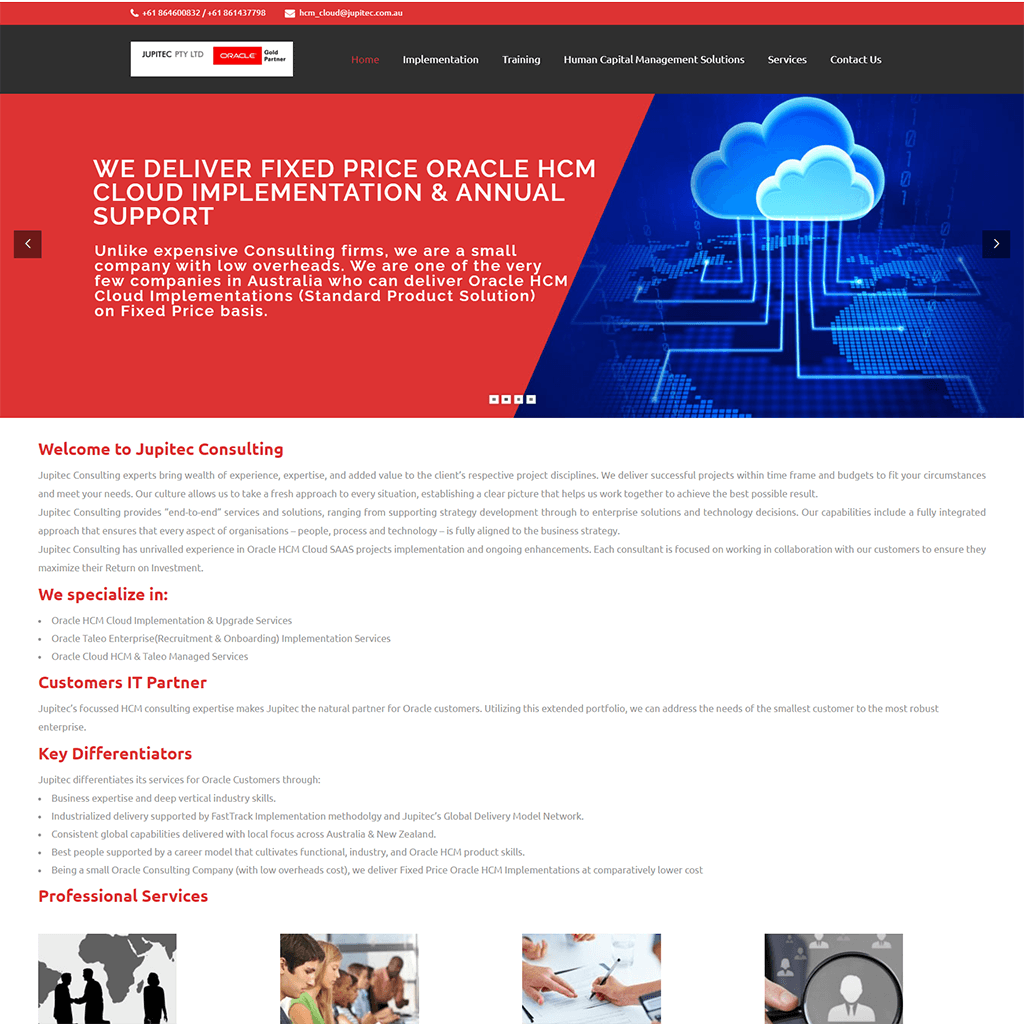
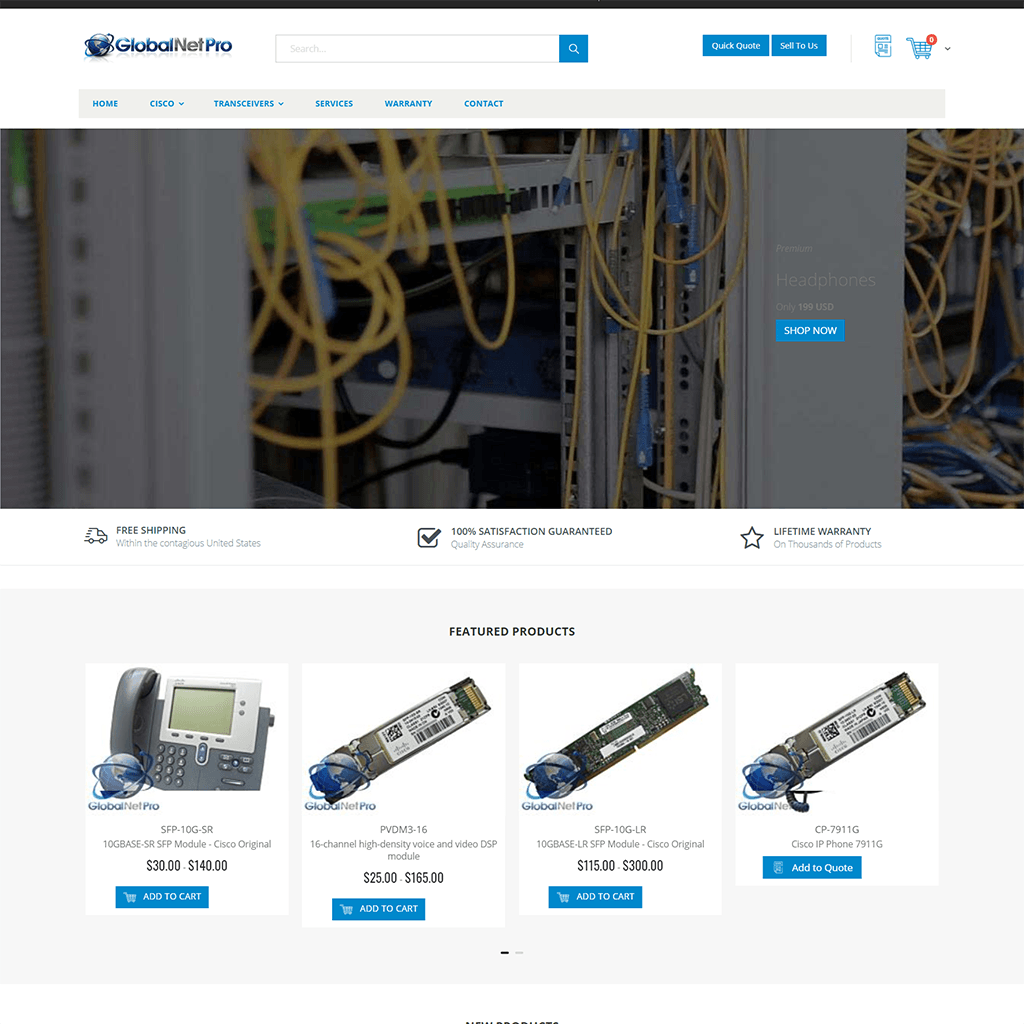
Integration Projects
Successful system integrations across industries









What Our Integration Clients Say
Real results from successful system integrations
"Srapsware is best for server less and modern web application technologies. I suggest you try there services once. "
Frequently Asked Questions
How much does system integration cost?
How long does integration take?
What if systems do not have APIs?
How do you handle data conflicts?
Is real-time integration always better?
What ongoing support do you provide?
Ready to Connect Your Systems?
Break down data silos and automate workflows. Seamless integration between all your business applications.